Vitiligo: what it is, and the treatment options that work
Reviewed by Dr [PLACEHOLDER], dermatologist · Last reviewed [PLACEHOLDER date]
Vitiligo causes patches of skin to lose their colour because the cells that make pigment stop working. It is not contagious. Treatment aims to stop the patches spreading and to bring colour back. Results differ from person to person, and they take time. This guide walks through each vitiligo treatment, from creams to light therapy, so you can talk it through with your dermatologist.
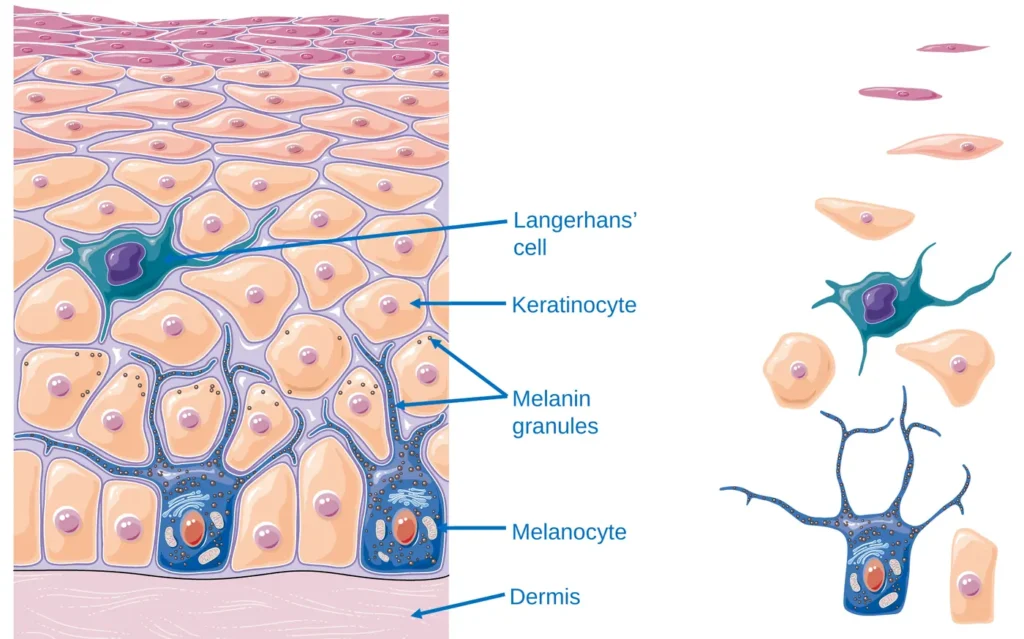
The two main types
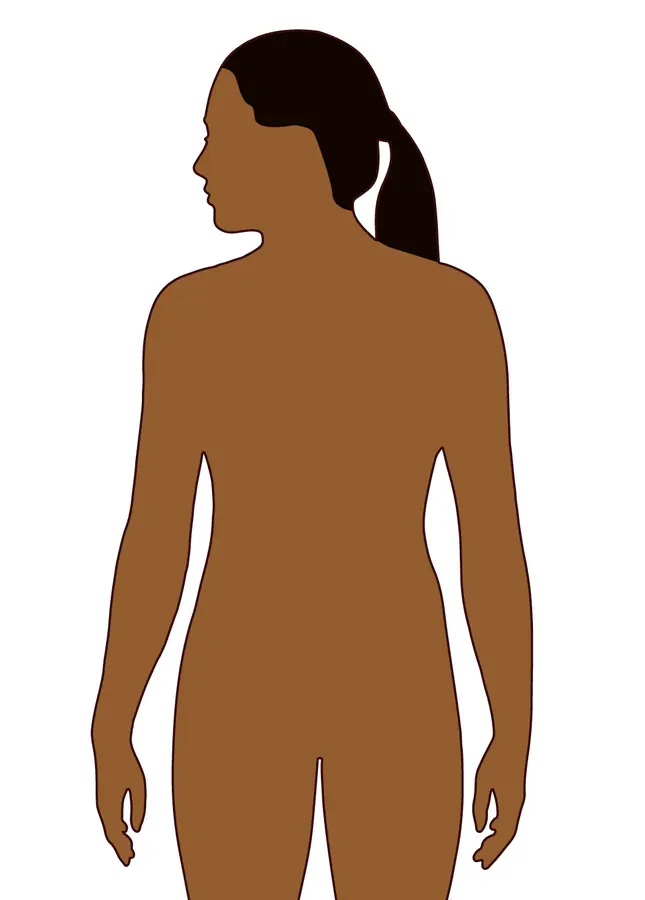
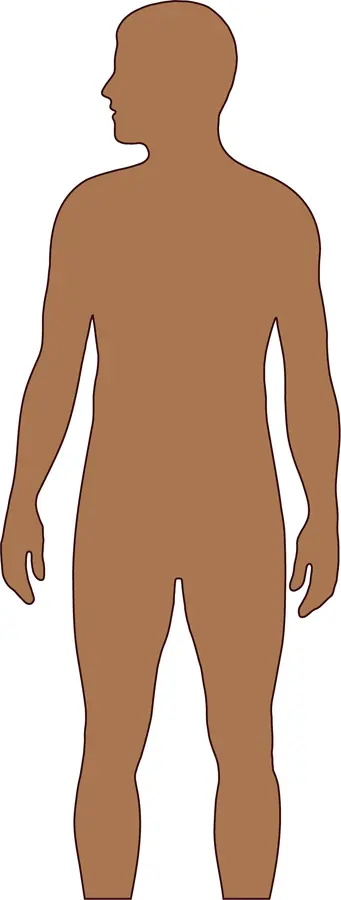
Non-segmental vitiligo usually appears on both sides of the body. Segmental vitiligo stays on one side or in one area. Illustration: NIAID Visual & Medical Arts, NIH BioArt (public domain)
Non-segmental vitiligo The most common type. Patches usually appear on both sides of the body and can spread over time. This is the type ruxolitinib cream is approved for (as Opzelura, age 12+).
Segmental vitiligo Affects one side or one area of the body and often stops spreading after a while.
Treatment options, step by step
- Steroid creams. Often the first treatment tried for small areas.
- Tacrolimus or pimecrolimus ointment. Often used on the face and thin skin.
- Ruxolitinib cream. A JAK-inhibitor cream, approved in the US for non-segmental vitiligo in people aged 12 and over. Read about ruxolitinib cream for vitiligo →
- Light therapy (narrowband UVB). Skin without pigment burns easily, so sun protection is part of every vitiligo treatment plan.Photo: Keren Fedida / Unsplash Clinic-based treatment, usually two to three sessions a week [PLACEHOLDER: reviewer to confirm].
- Other options. Your dermatologist may discuss combinations or surgical options for stable patches.
How long results take
Repigmentation is slow. The original cream’s label says a satisfactory response may take more than 24 weeks of twice-daily use, and that you should be reassessed if there is no meaningful change by then.
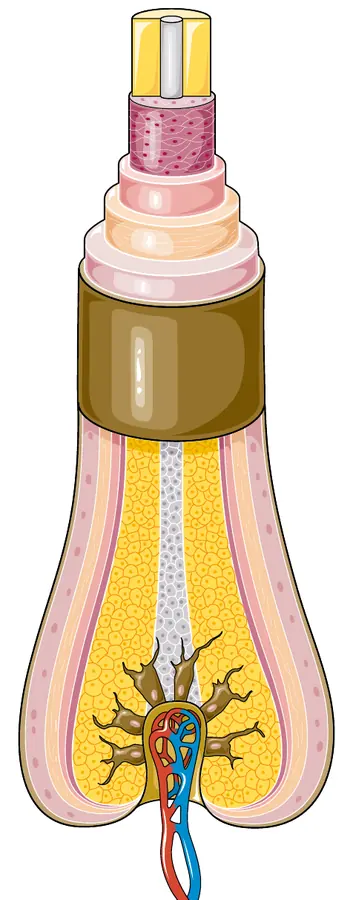
Chart: trial results over 52 weeks [to be added]
Keep a photo diary of your progress →
What treatment costs
| Option | What you pay for | Typical cost | Source |
|---|---|---|---|
| Steroid creams | [PLACEHOLDER] | [PLACEHOLDER] | [PLACEHOLDER] |
| Tacrolimus ointment | [PLACEHOLDER] | [PLACEHOLDER] | [PLACEHOLDER] |
| Ruxolitinib cream (Rutinib) | [PLACEHOLDER] | [PLACEHOLDER] | [PLACEHOLDER] |
| Light therapy | [PLACEHOLDER] | [PLACEHOLDER] | [PLACEHOLDER] |
Thinking about ruxolitinib cream?
Tell us your country and we will tell you honestly whether we can supply it, what it costs and what paperwork you need.
Read next
- Ruxolitinib cream for vitiligo. How it works, who it is approved for, and practical tips for application.
- Vitiligo treatments compared. Efficacy, side effects, and typical timelines across topicals and phototherapy.
- How long repigmentation takes. Setting realistic expectations and tracking monthly changes.
- Generic ruxolitinib vs Opzelura. Ingredient equivalence, regulatory status, and what data is currently published.
On this page
- The two main types
- Treatment options, step by step
- How long results take
- What treatment costs
- Thinking about ruxolitinib cream?
- Read next
Check availability and price →
Which option suits you depends on where the patches are, how fast they are changing, and your age. This list helps you ask better questions; it does not replace your doctor.
- Opzelura prescribing information, revised 06/2026
- [PLACEHOLDER: dermatology guideline source]