How to apply
How to apply ruxolitinib cream, and how much to use
Monograph Review: Reviewed by Dr [PLACEHOLDER], Dermatologist. Last checked [PLACEHOLDER date].
Ruxolitinib cream works locally in the skin. Applying it correctly and staying within safe area limits helps it work as intended without unnecessary systemic absorption.
Each time you apply
Diagram: Clean skin
- Clean, dry skin.
Wash the area gently and pat completely dry before applying. Make sure the surface is completely free of cosmetic residue, sweat, or heavy emollients that could alter drug distribution.
FTU Unit Metric
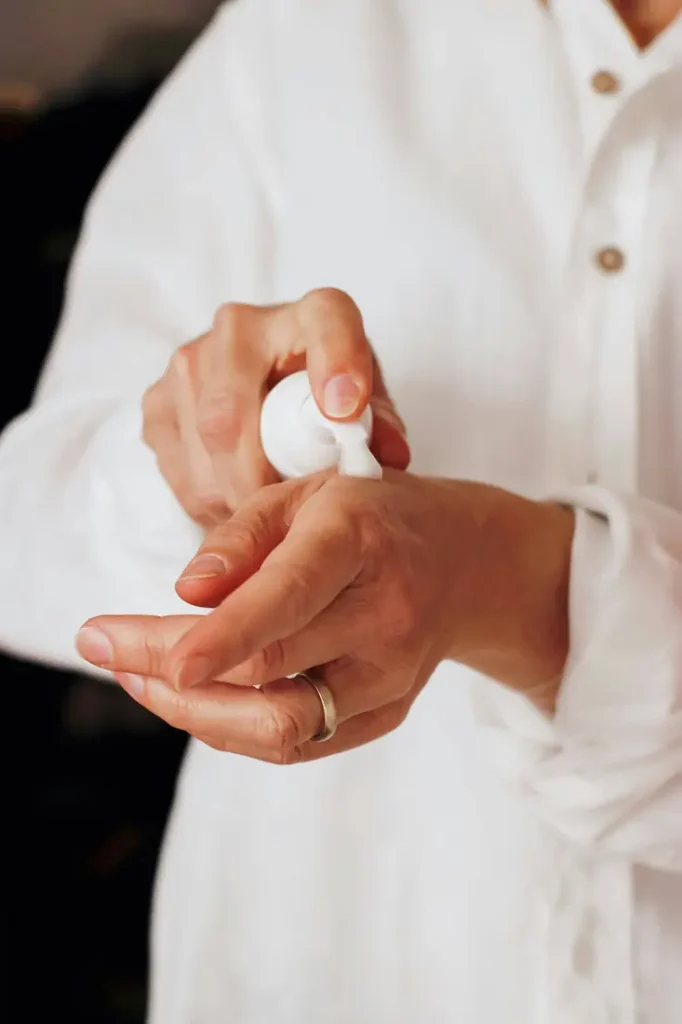
- Squeeze a small amount onto a fingertip.
A thin fingertip unit (FTU) covers an area roughly the size of two adult palms. Dispense precisely from the crimped tube without applying excessive force to the nozzle.
Boundary Margin
- Rub in a thin layer over the patch only.
Gently smooth the cream until it absorbs into the affected patch. Avoid applying to unaffected healthy skin; keep application strictly localized to marked active lesions.
No Occlusion
- Do not cover with a bandage or wrap.
Leave the skin open to the air. Occlusive dressings, plastic films, or tight elastic wraps increase systemic absorption significantly, elevating circulating compound concentration.
Post-Ablution
- Wash your hands, unless you are treating your hands.
Clean hands thoroughly with warm water and soap immediately after application to prevent unintentional transfer to mucosal surfaces or periorbital tissue.
How often
Twice a day, about 12 hours apart [PLACEHOLDER: reviewer to confirm wording]. If you miss a dose, [PLACEHOLDER from patient information].
Clinical notation: Doubling up is never recommended if a dose is skipped. Resume your standard application cadence at the next scheduled interval without compensating for missed quantity.
How much is too much
Never use more than the maximum amount recommended on the label.
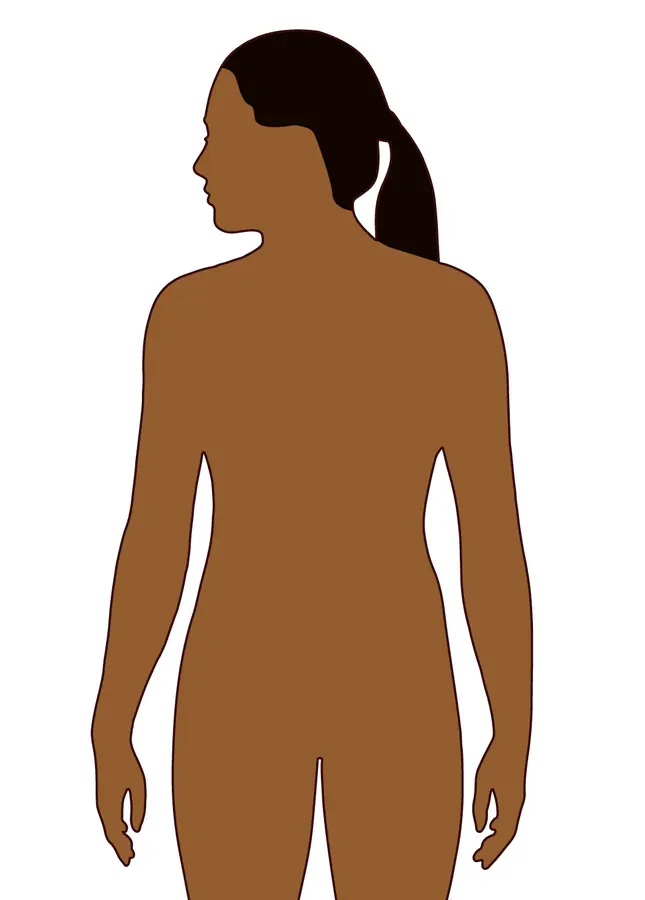
| Who | Maximum area | Maximum amount |
|---|---|---|
| Eczema, 12+ | 20% of body surface | One 60 g tube a week, or 100 g every two weeks |
| Eczema, 2 to 11 | 20% of body surface | One 60 g tube every two weeks |
| Vitiligo, 12+ | 10% of body surface | One 60 g tube a week, or 100 g every two weeks |
Places to be careful
Do not put the cream on these areas:
- ✕ Eyes, eyelids margin, inside the mouth and nose [PLACEHOLDER: confirm from label].
- ✕ Broken, cracked, weeping, or actively infected skin [PLACEHOLDER].
- ✕ Thin barrier sites and sensitive mucosal membranes unless specifically prescribed by your dermatologist.
Storing it
Store at [PLACEHOLDER storage temperature]. Keep the cap closed tightly after each use. Store out of direct sunlight and moisture. Do not use after the expiry date stamped on the crimp.
Keep a record
Track your progress with photos
Take photos in the same light every 4 weeks, especially for vitiligo repigmentation tracking.
Sources & Regulatory References
- Opzelura (ruxolitinib) cream 1.5% prescribing information, revised 06/2026.
- Rutinib package leaflet and instructions for use [PLACEHOLDER].
- Consensus guidelines on topical JAK inhibitor application in dermatology [PLACEHOLDER].
Ready to obtain treatment? Check whether we have stock and ask any questions.
rule The Palm Rule One palm with fingers is about 1% of your body surface. Use this simple palm rule to verify you remain well under your prescribed surface boundary. Open tube calculator →
Safety notice § Dosage safety notice: Exceeding 20% BSA in eczema or 10% in vitiligo increases systemic blood levels. If you are unsure about your coverage percentage, consult your clinician.